
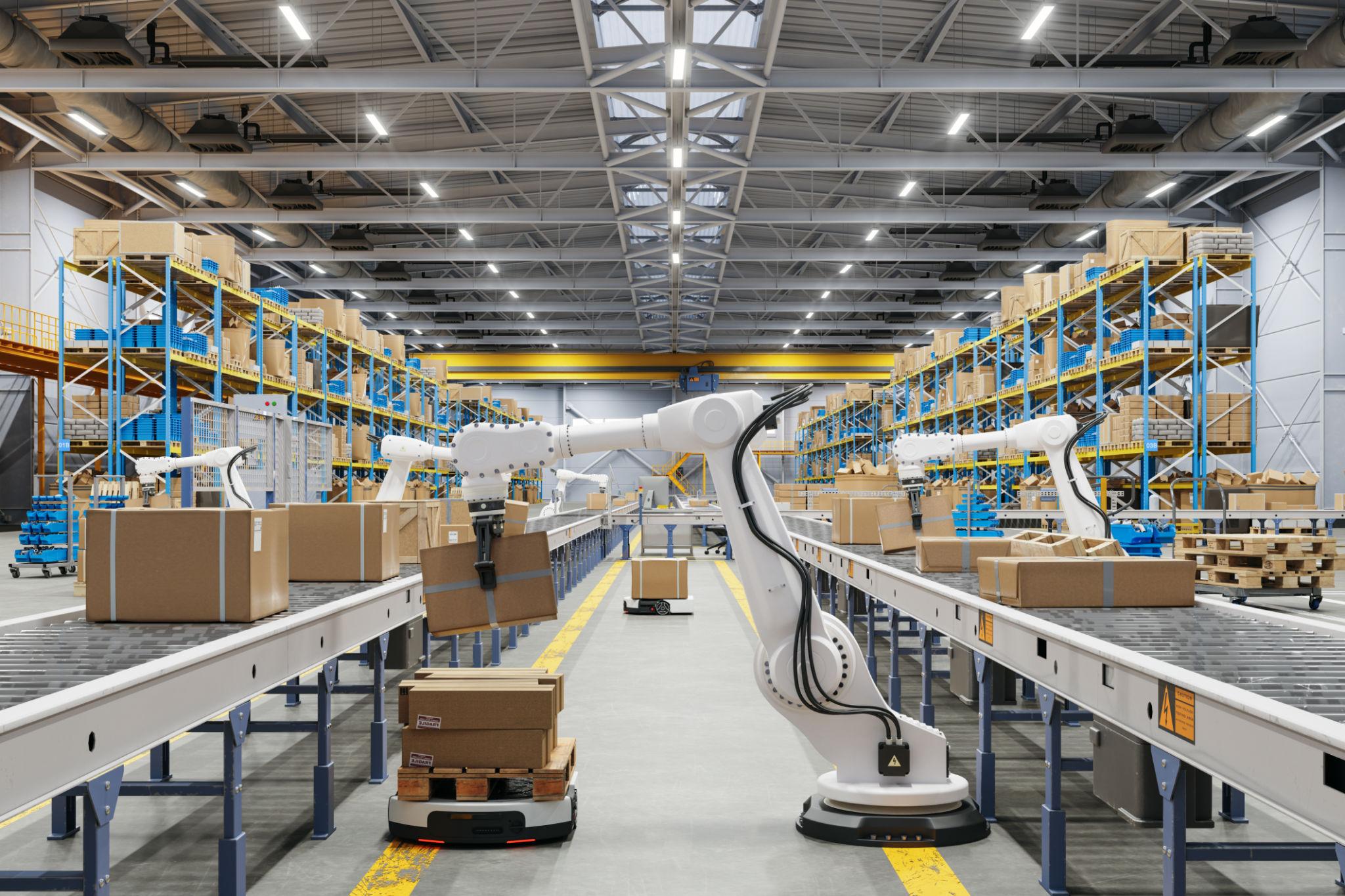
India’s warehousing sector is growing rapidly due to e-commerce, D2C brands, manufacturing, and 3PL expansion. Choosing the right Warehouse Management System (WMS) can improve inventory accuracy, reduce operational costs, and accelerate order fulfillment. In this guide, we compare the top WMS platforms in India for 2026.
1. Omneelab WMS
Best for: Mid-market Indian sellers and D2C brands
Key Features
- Multi-warehouse management
- Barcode & QR code scanning
- Inventory tracking
- Pick-Pack-Ship workflows
- Mobile application
- Marketplace integrations
- ERP integration
Pros
✅ Easy to use
✅ Indian business workflows
✅ Affordable pricing
Cons
❌ Limited global presence
2. Unicommerce
Best for: Marketplace-heavy businesses
Key Features
- Amazon & Flipkart integrations
- Multi-channel inventory sync
- Order management
- Returns processing
- Analytics dashboard
Pros
✅ Strong marketplace ecosystem
✅ Enterprise scalability
Cons
❌ Higher pricing for SMEs
3. Increff
Best for: Fashion and apparel brands
Key Features
- Demand forecasting
- Inventory optimization
- High SKU management
- Omnichannel fulfillment
Pros
✅ Excellent for fashion retail
✅ AI-driven inventory management
Cons
❌ Premium pricing
4. Vinculum
Best for: Omnichannel retailers
Key Features
- ERP integrations
- Marketplace connectors
- Warehouse automation
- Cross-border commerce
Pros
✅ Strong integration capabilities
✅ Enterprise-ready
Cons
❌ Complex implementation
5. Easyops
Best for: Small and medium businesses
Key Features
- Order management
- Warehouse tracking
- Shipping integrations
- Mobile support
Pros
✅ Budget friendly
✅ Quick deployment
Cons
❌ Limited advanced features
6. Eshopbox
Best for: Fulfillment as a Service (FaaS)
Key Features
- Warehousing
- Fulfillment services
- Inventory management
- Marketplace connectivity
Pros
✅ End-to-end logistics
✅ Faster deliveries
Cons
❌ Less control over warehouse operations
7. Anchanto
Best for: Cross-border sellers
Key Features
- International marketplace integrations
- Multi-country inventory
- Order processing
- Logistics management
Pros
✅ Southeast Asia presence
✅ Scalable operations
Cons
❌ Higher learning curve
8. SAP EWM
Best for: Large enterprises
Key Features
- Advanced warehouse automation
- RFID support
- Labor management
- Yard management
- Robotics integration
Pros
✅ Enterprise-grade capabilities
✅ Deep SAP integration
Cons
❌ Expensive implementation
9. Zoho Inventory
Best for: Small businesses
Key Features
- Inventory tracking
- Barcode support
- Online marketplace integration
- Accounting ecosystem
Pros
✅ Affordable
✅ Easy setup
Cons
❌ Limited advanced WMS features
10. ERPNext WMS
Best for: Businesses seeking open-source ERP
Key Features
- Inventory management
- Manufacturing integration
- Multi-warehouse support
- Custom workflows
Pros
✅ Open-source flexibility
✅ Lower total cost
Cons
❌ Requires technical expertise